


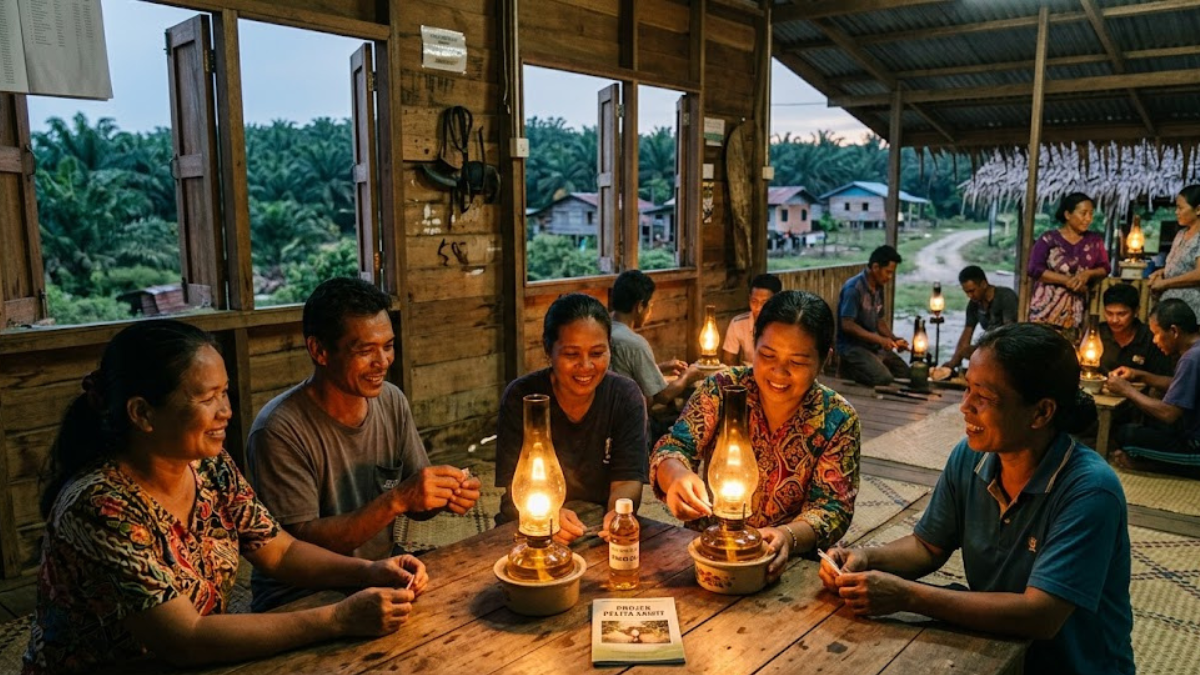
The concept of an oil palm lamp project existing is gaining attention as communities and innovators search for sustainable and affordable lighting solutions. With rising energy costs and environmental concerns, people are exploring alternatives that are both eco-friendly and practical. This approach focuses on utilizing oil palm by-products, turning agricultural waste into a useful resource for lighting.
An oil palm lamp project existing is not just a technical idea—it’s a real-world solution that combines sustainability, creativity, and economic opportunity. From rural villages to research labs, this project has shown how renewable resources can replace traditional fuel-based lighting methods. In this article, we’ll explore everything you need to know about it in a clear, engaging, and expert-driven way.
Understanding the Oil Palm Lamp Project Existing
The oil palm lamp project existing revolves around using oil extracted from palm fruit or its residues as a fuel source for lamps. This process transforms what is often considered waste into something highly valuable. The idea is simple but powerful: reduce waste while providing affordable lighting.
Many regions where oil palm trees are abundant face challenges with electricity access. This is where the oil palm lamp project existing becomes especially useful. By converting locally available materials into fuel, communities can create their own lighting systems without depending heavily on external energy sources.
Another important aspect is sustainability. The oil palm industry produces large amounts of biomass waste. Instead of letting it go unused, this project gives it a second life. That makes it environmentally responsible and economically smart at the same time.
Why the Oil Palm Lamp Project Existing Matters
The importance of an oil palm lamp project existing goes beyond lighting. It plays a role in environmental protection, cost reduction, and rural development. Traditional fuels like kerosene are expensive and harmful. Replacing them with palm-based oil reduces both cost and pollution.
In many developing regions, electricity infrastructure is limited. The oil palm lamp project existing offers a decentralized solution. Households can produce their own fuel and maintain their lighting systems independently. This reduces reliance on unreliable power grids.
There is also a social impact. When communities adopt such projects, they often create small businesses around them. People can produce and sell palm oil fuel or even the lamps themselves. This encourages entrepreneurship and boosts local economies.
How the Oil Palm Lamp Project Existing Works
At its core, the oil palm lamp project existing involves extracting oil from palm fruit or waste materials and using it as fuel. The oil is then filtered and prepared for use in specially designed lamps.
The lamp itself is usually simple. It consists of a container for the oil, a wick, and a holder. When the wick absorbs the oil and is lit, it produces a steady flame. This design is similar to traditional oil lamps but uses a more sustainable fuel source.
Efficiency depends on the quality of oil and lamp design. Better filtration methods and improved wick materials can enhance performance. Many ongoing projects are focused on optimizing these elements to make the oil palm lamp project existing even more effective.
Benefits of Using Oil Palm Lamps
One of the biggest advantages of the oil palm lamp project existing is cost efficiency. Since the raw materials are often locally available, the overall expense is significantly lower than conventional fuels.
Another benefit is environmental friendliness. Using palm oil reduces the need for fossil fuels, which helps lower carbon emissions. It also minimizes waste by reusing agricultural by-products.
The oil palm lamp project existing also promotes energy independence. Communities no longer need to rely entirely on external suppliers. This is particularly valuable in remote areas where access to electricity is limited.
Additionally, these lamps are easy to maintain. With simple designs and readily available materials, repairs can be done without specialized skills. This makes the solution practical and sustainable in the long term.
Challenges in Oil Palm Lamp Project Existing
Despite its benefits, the oil palm lamp project existing does face challenges. One major issue is the quality of oil. Poorly processed oil can produce smoke or unpleasant odors, reducing user comfort.
Another challenge is scalability. While the project works well on a small scale, expanding it to larger populations requires better infrastructure and organization. Training and education are also necessary to ensure proper implementation.
There are also environmental concerns related to oil palm cultivation. If not managed responsibly, large-scale palm farming can lead to deforestation. Therefore, the oil palm lamp project existing must be combined with sustainable agricultural practices.
Real-World Applications of Oil Palm Lamp Project Existing
The oil palm lamp project existing has been implemented in various parts of the world. In rural communities, it serves as a primary source of lighting for homes and small businesses.
Educational institutions have also adopted the concept for research and demonstration purposes. Students learn about renewable energy and sustainability through hands-on projects. This helps spread awareness and encourages innovation.
Non-governmental organizations are also involved. They use the oil palm lamp project existing as part of community development programs. By providing training and resources, they help people adopt this technology effectively.
Comparison Table: Oil Palm Lamps vs Traditional Lighting
| Feature | Oil Palm Lamp Project Existing | Kerosene Lamps | Electric Lighting |
|---|---|---|---|
| Cost | Low | Medium | High |
| Fuel Availability | Local | Imported | Grid-dependent |
| Environmental Impact | Low | High | Medium |
| Maintenance | Easy | Moderate | Complex |
| Accessibility | High in rural areas | Moderate | Limited |
This table clearly shows how the oil palm lamp project existing stands out as a practical and eco-friendly alternative.
Expert Insights on Oil Palm Lamp Project Existing
Experts believe that the oil palm lamp project existing has strong potential for future development. With improvements in technology and awareness, it can become a mainstream solution.
“Turning agricultural waste into energy is one of the smartest ways to address both environmental and economic challenges,” says a renewable energy researcher.
Another expert notes, “The oil palm lamp project existing demonstrates how simple innovations can have a significant impact on communities.”
These insights highlight the importance of continued research and support for such initiatives.
Tips for Starting an Oil Palm Lamp Project Existing
If you’re interested in starting your own oil palm lamp project existing, the first step is understanding the materials required. You need access to palm oil or its by-products, along with basic lamp components.
Next, focus on proper oil extraction and filtration. Clean oil ensures better performance and reduces smoke. Investing time in this step will improve the overall quality of your project.
Finally, consider community involvement. Sharing knowledge and resources can make the oil palm lamp project existing more successful and sustainable. Collaboration often leads to better results and wider adoption.
Future of Oil Palm Lamp Project Existing
The future of the oil palm lamp project existing looks promising. As the world shifts toward renewable energy, solutions like this are becoming more relevant.
Technological advancements are expected to improve efficiency and usability. Researchers are working on better lamp designs and more efficient oil processing methods.
There is also potential for integration with other renewable systems. For example, combining oil palm lamps with solar energy could create hybrid solutions that offer even greater reliability.
Conclusion
The oil palm lamp project existing is a powerful example of how simple ideas can lead to meaningful change. By utilizing readily available resources, it provides an affordable, sustainable, and practical lighting solution.
From environmental benefits to economic opportunities, this project has a wide range of advantages. While challenges exist, they can be addressed through innovation and responsible practices.
As awareness grows, the oil palm lamp project existing has the potential to transform how communities approach energy and sustainability. It’s not just a project—it’s a step toward a brighter and greener future.
FAQ Section
What is an oil palm lamp project existing?
An oil palm lamp project existing is a sustainable initiative that uses oil derived from palm fruit or waste materials as fuel for lighting. It focuses on affordability and environmental responsibility.
How does the oil palm lamp project existing benefit communities?
The oil palm lamp projectexisting provides low-cost lighting, reduces dependence on fossil fuels, and creates economic opportunities through local production and sales.
Is the oil palm lampproject existing environmentally friendly?
Yes, the oil palm lamp projectexisting is considered eco-friendly because it utilizes renewable resources and reduces waste. However, sustainable farming practices are essential to avoid negative impacts.
Can anyone start an oil palm lamp projectexisting?
Yes, with basic knowledge and resources, individuals or communities can start an oil palmlamp project existing. Proper training and access to materials will improve success rates.
What are the limitations of the oil palm lampproject existing?
The oil palm lamp project xisting may face challenges such as oil quality issues, scalability, and the need for sustainable agricultural practices. Addressing these factors is key to long-term success.
