


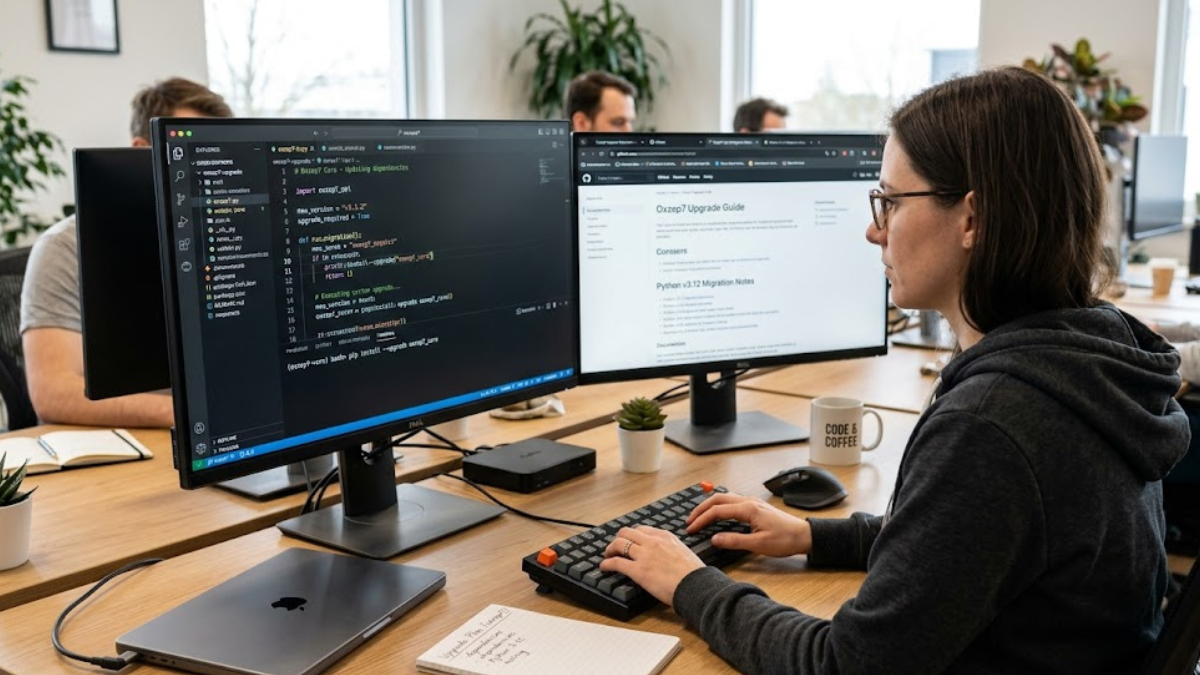
Upgrading your Python environment is one of the smartest moves you can make as a developer, and if you’re specifically looking to upgrade oxzep7 python, you’re in the right place. Whether you’re dealing with performance issues, compatibility errors, or just want access to newer features, understanding how to properly upgrade your setup can save you time and frustration.
In this guide, we’ll walk through everything you need to know about upgrade oxzep7 python, from basics to advanced tips. The goal is to keep things simple, practical, and easy to follow—even if you’re not a seasoned developer.
What Is Upgrade Oxzep7 Python and Why It Matters
When people talk about upgrade oxzep7 python, they’re usually referring to updating a specific Python environment, package, or custom setup associated with the Oxzep7 configuration. This could be a virtual environment, a framework-based installation, or a specialized project setup.
Upgrading matters because outdated environments can lead to security risks, broken dependencies, and limited functionality. New Python versions bring better performance, improved libraries, and enhanced features that make development smoother and more efficient.
Another important reason to upgrade oxzep7 python is compatibility. Many modern libraries no longer support older Python versions. If your environment is outdated, you might find yourself unable to install or use essential tools, which can slow down your workflow significantly.
Benefits of Upgrade Oxzep7 Python
One of the biggest advantages of performing an upgrade oxzep7 python is improved performance. Newer Python versions are optimized for speed and efficiency, allowing your scripts and applications to run faster.
You also gain access to new features. Each Python release introduces syntax improvements, better debugging tools, and updated standard libraries. These enhancements make coding easier and more productive.
Another benefit is better security. Older versions may have vulnerabilities that are fixed in newer releases. By choosing to upgrade oxzep7 python, you reduce the risk of security breaches in your projects.
Preparing Your System Before Upgrade Oxzep7 Python
Before you jump into the upgrade process, preparation is key. Start by checking your current Python version and environment setup. This helps you understand what needs to be updated.
Next, back up your project files and dependencies. This step is crucial because upgrading can sometimes break compatibility. Having a backup ensures you can restore your environment if something goes wrong.
It’s also a good idea to list all installed packages. This makes it easier to reinstall them after the upgrade oxzep7 python process is complete. Tools like pip freeze can help you generate a list quickly.
Step-by-Step Guide to Upgrade Oxzep7 Python
Upgrading your environment doesn’t have to be complicated. Start by downloading the latest Python version from the official source. Make sure it’s compatible with your system.
Once installed, update your environment variables if necessary. This ensures your system recognizes the new Python version.
After that, recreate your virtual environment. This step is often recommended when performing an upgrade oxzep7 python because it prevents conflicts between old and new dependencies.
Finally, reinstall your packages and test your applications. Make sure everything works as expected before considering the upgrade complete.
Common Issues During Upgrade Oxzep7 Python
Even though upgrading is beneficial, it can come with challenges. One common issue is dependency conflicts. Some libraries may not support the latest Python version.
Another problem is broken scripts. Changes in syntax or deprecated features can cause errors in your existing code. This is why testing after the upgrade oxzep7 python process is so important.
You might also face path-related issues. If your system still points to an older Python version, it can create confusion and errors during execution.
Best Practices for Upgrade Oxzep7 Python
To make your upgrade process smoother, always use virtual environments. They allow you to manage dependencies without affecting your global Python installation.
Keep your packages updated regularly. This reduces the chances of major conflicts when you decide to upgrade oxzep7 python.
It’s also helpful to read release notes for new Python versions. These notes highlight important changes and help you prepare for potential issues.
Tools That Help in Upgrade Oxzep7 Python
Several tools can simplify the upgrade process. Package managers like pip make it easy to install and update libraries.
Version management tools such as pyenv allow you to switch between different Python versions effortlessly. This is especially useful when working on multiple projects.
Automation tools can also assist in testing your environment after you upgrade oxzep7 python, ensuring everything runs smoothly without manual checks.
Comparison Table: Before vs After Upgrade Oxzep7 Python
| Feature | Before Upgrade | After Upgrade |
|---|---|---|
| Performance | Slower execution | Faster processing |
| Security | Potential risks | Improved protection |
| Compatibility | Limited libraries | Wider support |
| Features | Outdated tools | Latest improvements |
| Stability | Possible bugs | More reliable |
Expert Insights on Upgrade Oxzep7 Python
“Keeping your Python environment updated isn’t just a best practice—it’s essential for modern development.”
“An upgrade isn’t just about new features; it’s about maintaining compatibility and security in an evolving ecosystem.”
These insights highlight why developers prioritize the upgrade oxzep7 python process in their workflow.
Advanced Tips for Upgrade Oxzep7 Python
If you want to go beyond the basics, consider using containerization tools like Docker. They allow you to create isolated environments, making upgrades safer and more predictable.
Another advanced tip is to automate dependency management. Tools like Poetry or Pipenv can help you maintain consistent environments across different systems.
You should also monitor your application performance after the upgrade oxzep7 python process. This helps you identify improvements and detect any hidden issues.
Performance Optimization After Upgrade Oxzep7 Python
After completing the upgrade process, the next important step is optimizing performance. A fresh environment alone is not enough; you need to ensure everything runs at its full potential.
One effective approach is clearing unused dependencies. Old or unnecessary packages can slow down execution and create hidden conflicts. Cleaning them up helps your system run more efficiently after you upgrade oxzep7 python.
Another key improvement is enabling optimized runtime settings. Python offers several flags and configurations that can improve execution speed, especially for large-scale applications or data-heavy projects.
It’s also a good idea to profile your code. Tools like cProfile help you identify bottlenecks so you can fine-tune performance after upgrading your environment.
Troubleshooting Deep Compatibility Issues
Even with careful planning, compatibility issues can still occur after an upgrade. These problems usually come from outdated libraries or deprecated functions that no longer behave the same way.
One common issue is missing modules. Some packages may not install correctly after upgrading, especially if they rely on older Python versions. Reinstalling dependencies usually resolves this.
Another challenge is syntax changes. Python evolves over time, and certain older patterns may stop working. Reviewing error logs carefully helps you quickly identify what needs adjustment.
In some cases, virtual environments may not activate correctly after upgrading. Recreating the environment from scratch is often the simplest solution to restore stability.
Migration Strategies for Large Projects
When working on large-scale applications, upgrading requires a structured approach. Random changes can break multiple parts of the system, so planning is essential.
Start by creating a separate development environment. This allows you to test everything safely before applying changes to production systems. It also reduces downtime risks.
Gradual migration is another effective strategy. Instead of upgrading everything at once, move components step by step. This makes it easier to isolate problems if they appear.
Documentation also plays a key role. Keeping a record of changes ensures that your team understands what was modified during the upgrade process and why.
Real-World Use Cases of Upgrade Process
In real-world development, upgrading environments is a regular task. Web developers often perform upgrades to support new frameworks and improve backend performance.
Data scientists also rely heavily on updated Python environments. New libraries and improved computation speed help them process large datasets more efficiently.
Automation engineers benefit as well. Updated environments allow smoother integration with APIs and third-party tools, improving workflow automation.
In all these cases, maintaining a stable system after you upgrade oxzep7 python ensures consistent productivity and fewer unexpected failures.
Extended Insights Table
| Area of Focus | Key Action After Upgrade | Benefit Achieved |
|---|---|---|
| Dependencies | Clean & reinstall | Stability & fewer errors |
| Performance tuning | Profile code | Faster execution |
| Compatibility check | Test all modules | Reduced runtime failures |
| Environment setup | Recreate virtual env | Clean configuration |
| Code validation | Run test cases | Reliable application output |
This structured approach helps maintain long-term stability and ensures your upgraded environment remains efficient.
Conclusion
Upgrading your Python environment might seem like a technical task, but it’s an essential step for maintaining a smooth and efficient workflow. By following the steps and best practices outlined in this guide, you can confidently upgrade oxzep7 python without unnecessary complications.
The key is preparation, testing, and continuous learning. With the right approach, upgrading becomes less of a challenge and more of an opportunity to improve your development process.
FAQ Section
What is upgrade oxzep7 python and why should I do it?
Upgrading oxzep7 python refers to updating your Python environment or setup linked to Oxzep7. It ensures better performance, security, and compatibility with modern libraries.
Is it safe to upgrade oxzep7 python without backup?
It’s not recommended. Always back up your files before performing an upgrade oxzep7 python to avoid data loss or compatibility issues.
How often should I upgrade oxzep7 python?
You should upgrade whenever a stable Python version is released or when your current setup becomes outdated or incompatible with required libraries.
Can upgrade oxzep7 python break my existing projects?
Yes, it can. Some dependencies may not support the new version. Testing after upgrading oxzep7 python is essential to ensure everything works correctly.
What tools can help with upgrade oxzep7 python?
Tools like pip, pyenv, and virtual environments make the process easier and more manageable when performing an upgrade oxzep7 python.
