


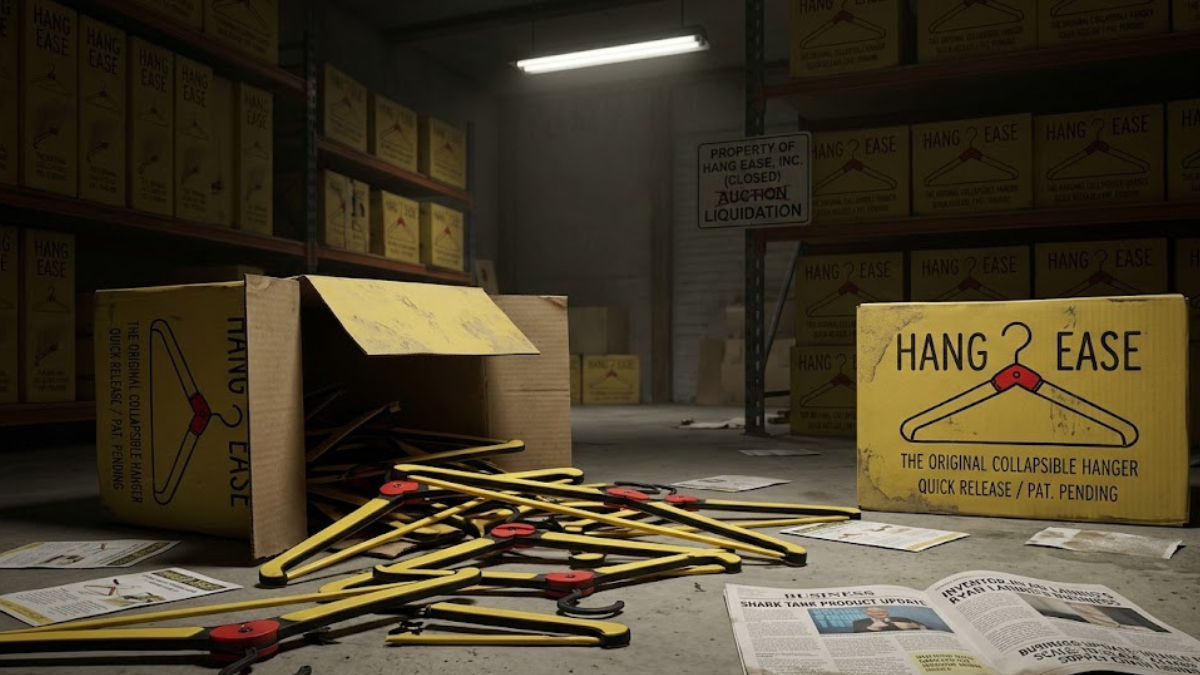
The question of why did Hang Ease go out of business has been discussed widely among consumers and industry watchers. While the brand once showed promise in its niche, its decline reflects a mix of operational, financial, and market-driven challenges.
Understanding why did Hang Ease go out of business requires looking beyond a single cause. Most business closures happen due to multiple overlapping issues rather than one clear mistake.
This article breaks down those reasons in a simple, human-friendly way so you can understand the bigger picture behind why did Hang Ease go out of business and what other companies can learn from it.
Overview of Hang Ease and Its Market Positioning: Why Did Hang Ease Go Out of Business
To understand why did Hang Ease go out of business, we first need to look at what the company represented. Hang Ease was positioned as a convenience-focused brand aiming to solve everyday consumer problems with simple, practical solutions.
At its peak, the company tried to build a loyal customer base through affordability and ease of use. However, even with a strong concept, why did Hang Ease go out of business still becomes a relevant question because execution did not fully match ambition.
The brand operated in a highly competitive environment where similar products were being introduced by larger, better-funded companies. This made it difficult for Hang Ease to maintain long-term visibility and growth.
Another key aspect of why did Hang Ease go out of business lies in its limited ability to scale operations efficiently. While the idea was solid, scaling challenges eventually became a major barrier.
Key Factors Behind the Decline
One of the biggest reasons behind why did Hang Ease go out of business was inconsistent product-market fit. The company struggled to maintain steady demand for its offerings over time.
Customer interest fluctuated, and without strong brand loyalty, repeat purchases were not high enough to sustain growth. This is a critical element in understanding why did Hang Ease go out of business.
Marketing efforts also failed to create a long-lasting emotional connection with the audience. In today’s digital economy, that connection is often what keeps small brands alive.
Additionally, pricing pressure from competitors made it harder for Hang Ease to maintain profit margins. These financial constraints played a major role in why did Hang Ease go out of business.
Market Competition and Changing Consumer Behavior
Another major reason behind why did Hang Ease go out of business was intense market competition. Larger companies were able to replicate similar product ideas quickly and distribute them more efficiently.
Consumers today also shift preferences rapidly. This behavior made it difficult for Hang Ease to maintain relevance, further explaining why did Hang Ease go out of business.
E-commerce growth meant customers had more choices than ever before. Competing in such a saturated environment requires strong branding, which Hang Ease struggled to develop.
As one retail analyst noted,
“Small consumer brands often disappear not because their idea is bad, but because they cannot keep up with market speed and visibility.”
This insight strongly connects to why did Hang Ease go out of business, especially in competitive retail sectors.
Operational and Financial Challenges
Operational inefficiencies played a significant role in why did Hang Ease go out of business. Supply chain inconsistencies and production delays impacted customer satisfaction.
When delivery expectations are not met, trust erodes quickly. This is one of the most overlooked reasons behind why did Hang Ease go out of business in similar companies.
Financial management was another critical issue. Without consistent cash flow or external investment, sustaining operations became increasingly difficult.
Below is a simplified breakdown of common internal issues linked to why did Hang Ease go out of business:
| Challenge Area | Impact on Business |
|---|---|
| Cash Flow Issues | Limited ability to scale operations |
| Supply Chain Gaps | Delayed product availability |
| Weak Branding | Low customer retention |
| High Competition | Reduced market share |
| Marketing Gaps | Poor customer acquisition |
Each of these challenges contributes directly to understanding why did Hang Ease go out of business in a structured way.
Lessons Learned and Industry Insights
There are several important lessons tied to why did Hang Ease go out of business that other startups can learn from. The first is the importance of scalable business models.
A good idea alone is not enough. Execution, funding, and adaptability are equally important when analyzing why did Hang Ease go out of business.
Another key lesson is the need for strong brand identity. Without clear differentiation, companies get lost in crowded markets quickly.
Industry experts often highlight that businesses like Hang Ease fail due to “invisible pressure points” rather than one obvious mistake. This reinforces why did Hang Ease go out of business as a multi-factor issue.
Customer retention strategies also play a major role. Businesses that fail to build loyal communities often struggle to survive long-term.
Could It Have Been Saved?
Many people still ask why did Hang Ease go out of business and whether the company could have survived with different decisions. The answer is complex but worth exploring.
Stronger investment in marketing and brand storytelling might have improved awareness. This could have changed the outcome of why did Hang Ease go out of business.
Better supply chain planning and more efficient logistics could also have stabilized operations. Many startups fail simply because they cannot deliver consistently.
However, timing and competition also matter. Even with improvements, why did Hang Ease go out of business might still have occurred due to market saturation.
Ultimately, survival in such industries requires a balance of innovation, capital, and execution speed.
Conclusion
The story of why did Hang Ease go out of business is not about a single failure but a combination of strategic and operational challenges. From weak scalability to intense competition, multiple factors contributed to the outcome.
Understanding why did Hang Ease go out of business helps entrepreneurs and businesses recognize the importance of adaptability and strong market positioning.
While the brand is no longer active, its journey provides valuable insights into how fragile modern consumer businesses can be.
FAQ
What is the main reason why did Hang Ease go out of business?
The main reason behind why did Hang Ease go out of business was a combination of weak scalability, strong competition, and inconsistent demand.
Was poor marketing a factor in why did Hang Ease go out of business?
Yes, poor marketing played a role in why did Hang Ease go out of business, as the brand struggled to build strong customer awareness.
Did competition affect why did Hang Ease go out of business?
Absolutely. Intense competition was a major factor in why did Hang Ease goout of business, especially from larger brands with better resources.
Could better funding have changed why did Hang Ease goout of business?
Better funding might have helped delay or reduce the impact of why did HangEase go out of business, but other structural issues still existed.
Was customer retention important in why did Hang Ease goout of business?
Yes, weak customer retention significantly contributed to why did Hang Ease go out o business, as repeat sales were not strong enough.
What can startups learn from why did Hang Ease go out o business?
Startups can learn that why did Hang Ease go out ofbusiness highlights the importance of scalability, branding, and operational efficiency.
